
Two Drops of Life: A Morning in Bangalore That Changed How I See Service
There are days that pass through you, and there are days that stay. National Polio Day (28/06/2026) in Bangalore was one that will stay with me forever.
I had the privilege of joining the polio vaccination campaign of covering in the city, administering Do Boond Zindagi Ki — “two drops of life” — to children whose smiles I will not forget. India’s fight against polio is nothing short of legendary: a country of more than a billion people, once home to a huge share of the world’s polio cases, declared free of the disease through one of the most extraordinary public health mobilisations in modern history. But legendary victories are not self-sustaining. Keeping the world polio-free demands the same discipline, the same organisation, and the same willingness to show up, year after year, drop after drop.
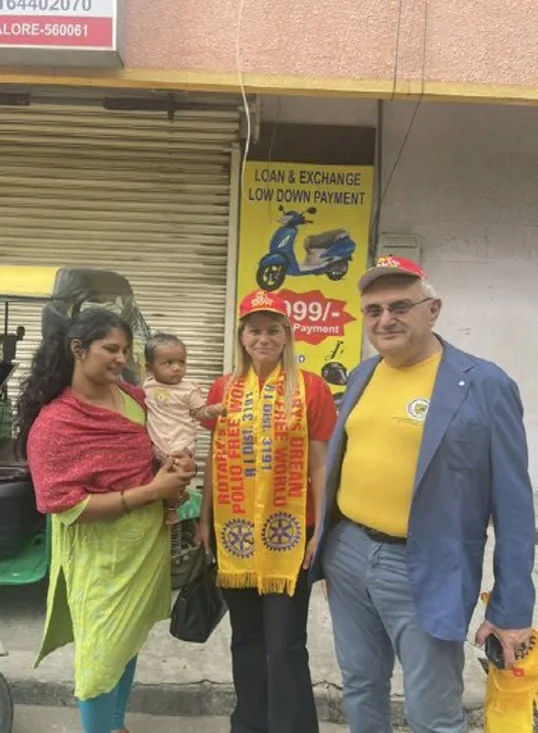
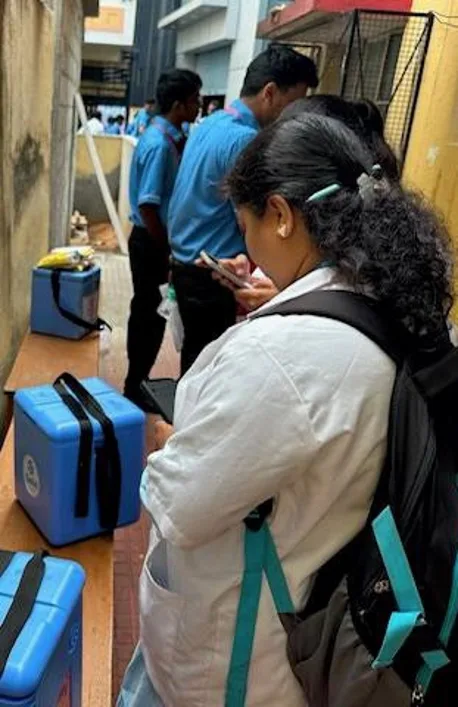
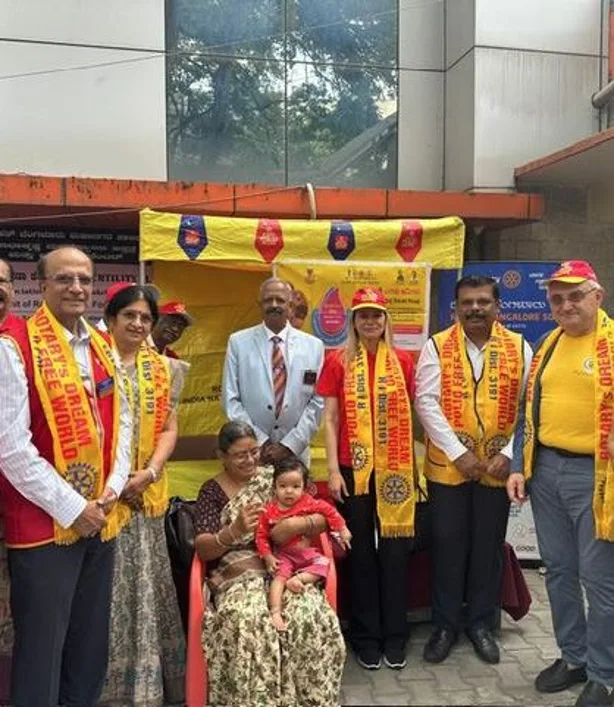
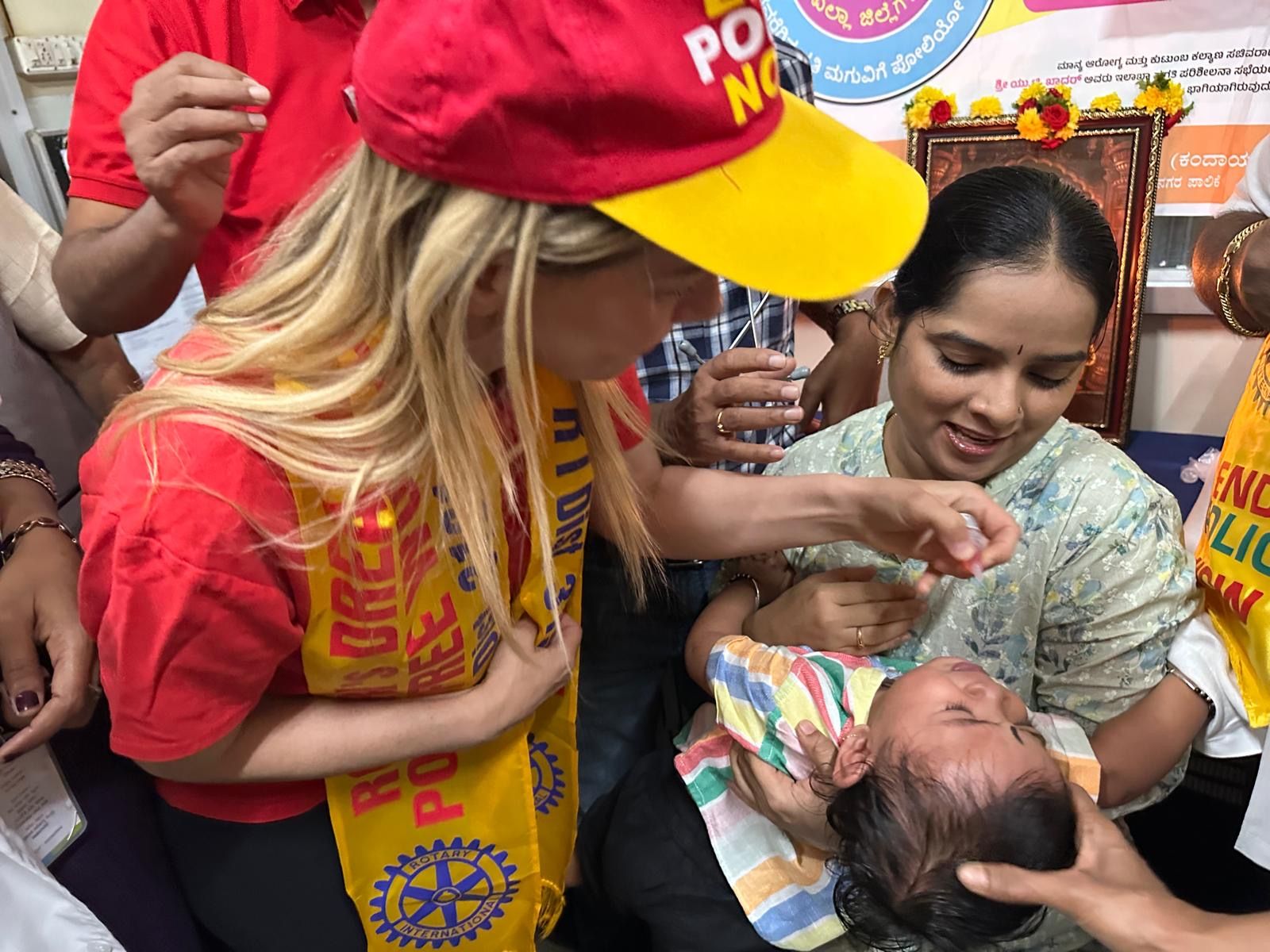
Standing in line with health workers and fellow Rotarians that morning, what struck me most was how something so simple, two drops, administered in seconds, carries the weight of an entire global promise. It is not just a service project. It is a covenant with the next generation: that no child, anywhere, should have to live with a disease we already know how to prevent.
A sign of gratitude goes out to:
• DG B.R. Sridhar, District 3191, for his leadership and vision;
• Arini Ghosh, Incoming President of Rotary Club Bangalore Social, for her energy and coordination;
• Rtn. Dr. Rukmangada Babu, Rotary Club Bangalore Vidyaleeta, for his dedication on the ground;
• Rtn. Dr. Lokesh Gupta, for the tireless behind-the-scenes work that made everything run seamlessly — the kind of effort that rarely gets seen but is always felt
Days like this remind me why I believe so deeply in the power of Rotary and of international cooperation. We are not simply administering vaccines. We are protecting a generation — and reaffirming, in the most concrete way possible, that the fight to #EndPolio is a fight none of us intends to abandon until it is truly won.
Africa Kicks Out Wild Polio
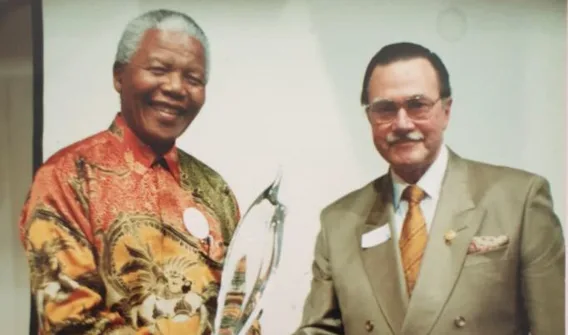
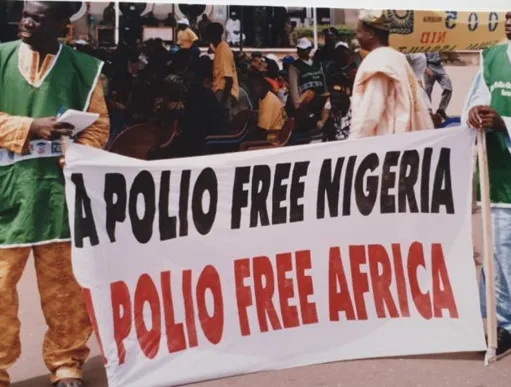
The Global Polio Eradication Initiative joins the millions around the world who mourned Nelson Mandela’s passing on December 5, 2013, at the age of 95. He passed away at his home in Houghton, Johannesburg. The children of the world have another reason to be grateful to Mandela: he was a great champion of polio eradication, not only in his own country, but across the African continent.“Madiba”, as he was reverentially known, was instrumental in kicking off South Africa’s polio eradication efforts in the mid-1990s. On World Health Day in April 1995, he announced that South Africa was throwing its support behind the notion of a world without polio. The following year, he was there in 1996 at the launch of the ‘Kick Polio out of Africa’ campaign. Commending the efforts of health workers across Africa for the work they had done in reducing polio case numbers, he urged them to keep going until polio is defeated:”Our aim is not merely to reduce the numbers afflicted – it is to eliminate the disease completely. No country can be safe from this disease until the whole world is rid of it. For it can cross borders with ease,” he told the assembled crowd.
At the time, wild polio paralised 75,000 children each year. To protect communities from this crippling disease, African leaders, health workers, volunteers, parents, global donors and organizations united to reach every child with polio vaccines.
On 25 August 2020, after four years without a single case of wild polio, the African region has been certified free of wild poliovirus.
Decades of extraordinary investment by Rotary and it’s partners, have paid off. Yet, the job is not finished. These efforts must continue to prevent wild polio from returning and to end all forms of polio for good – both in Africa and globally.
https://share.google/GGpgDn6ekH9VeKGcd

Rotary Paris Agora - Past President 22-23
District 1660, France - Head of IT, Past DPIC
Region 14 - ARPIC
Cercle Polioplus - Co-Founder


 English
  French
  Spanish
  Italian