
International Forum Rotary ICC | Italy 2026
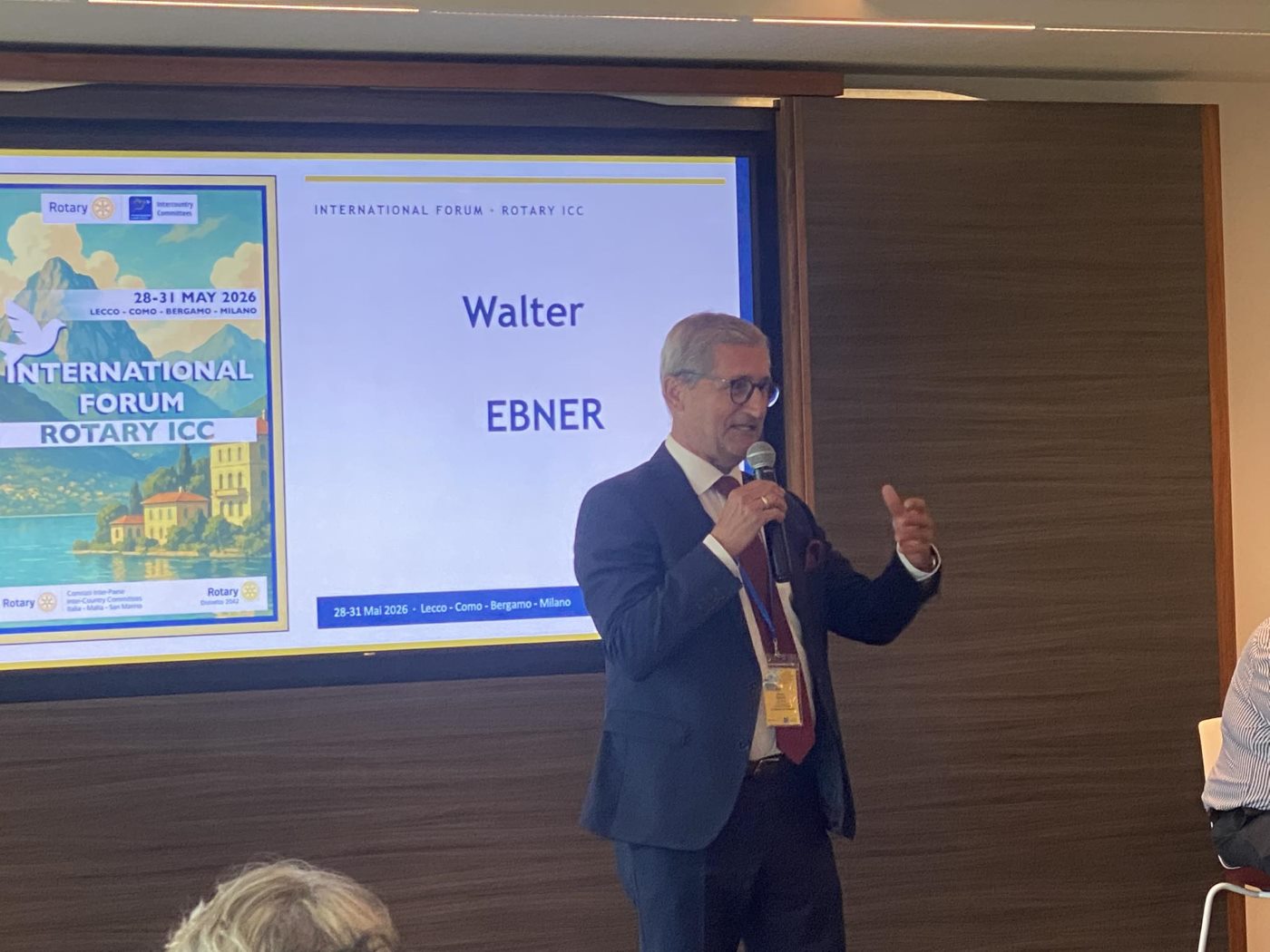
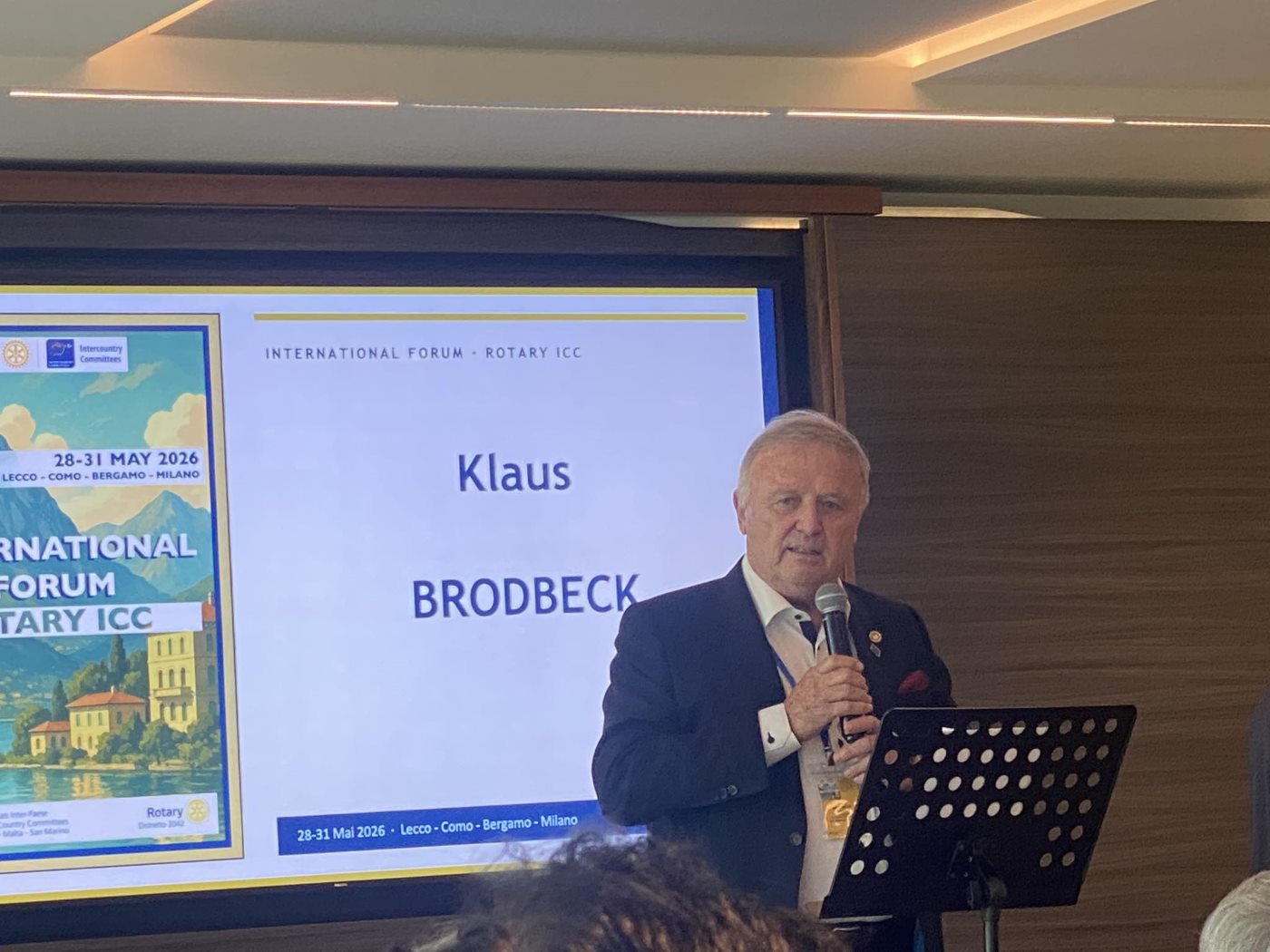
Rotarians from across the world have gathered in Italy for the International Forum Rotary ICC, that started on 28 May and will continue until 31 May 2026 in Bergamo.
This important gathering has brought together Intercountry Committee members in the true spirit of Rotary, strengthening friendship, cooperation and peace across borders.
Events like these remind us of the unique role ICCs play in building meaningful international relationships, sharing best practice, and opening doors for service projects that connect our beautiful countries, districts and communities.
A wonderful moment of fellowship, collaboration and global Rotary connection!
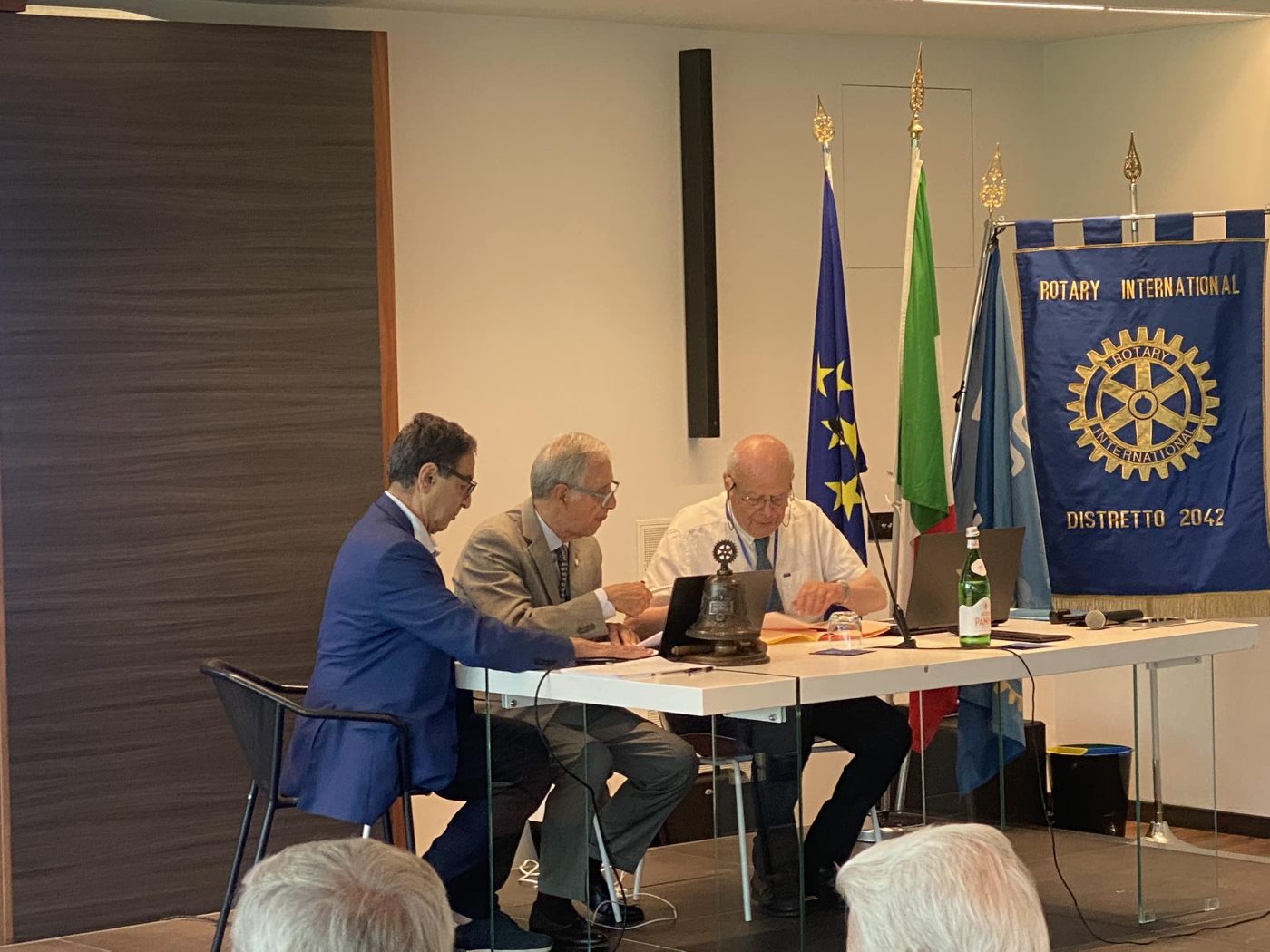
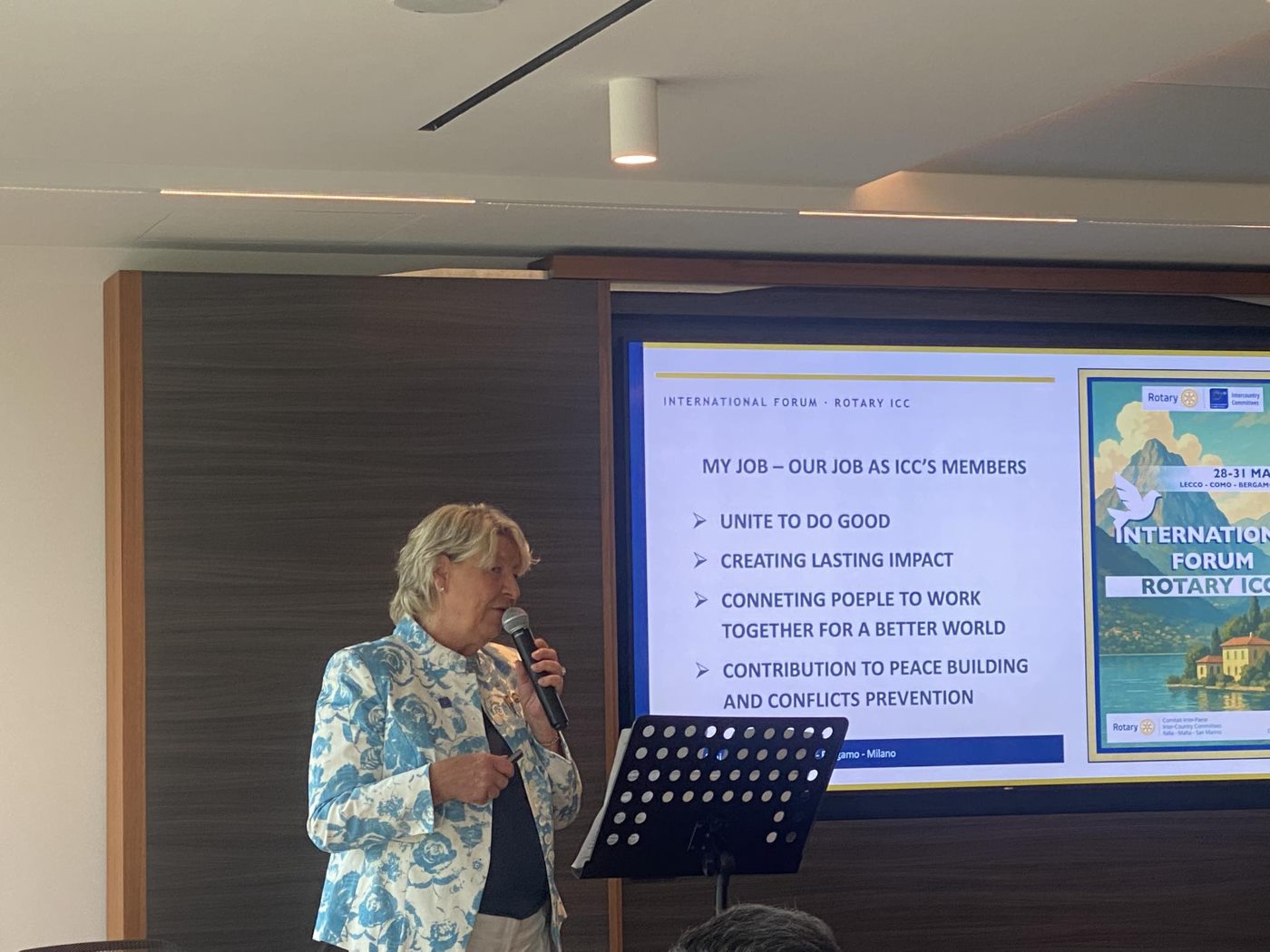
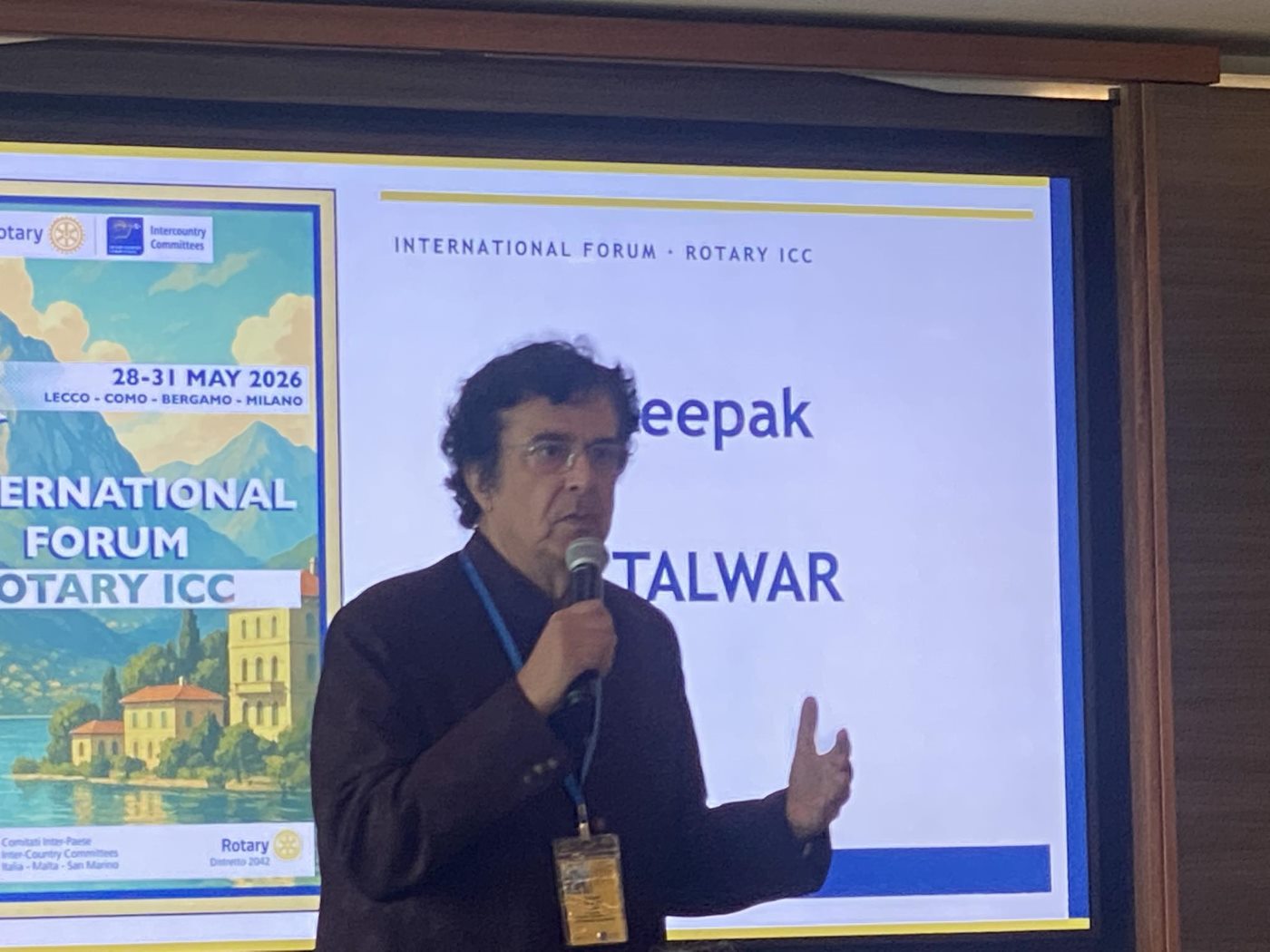
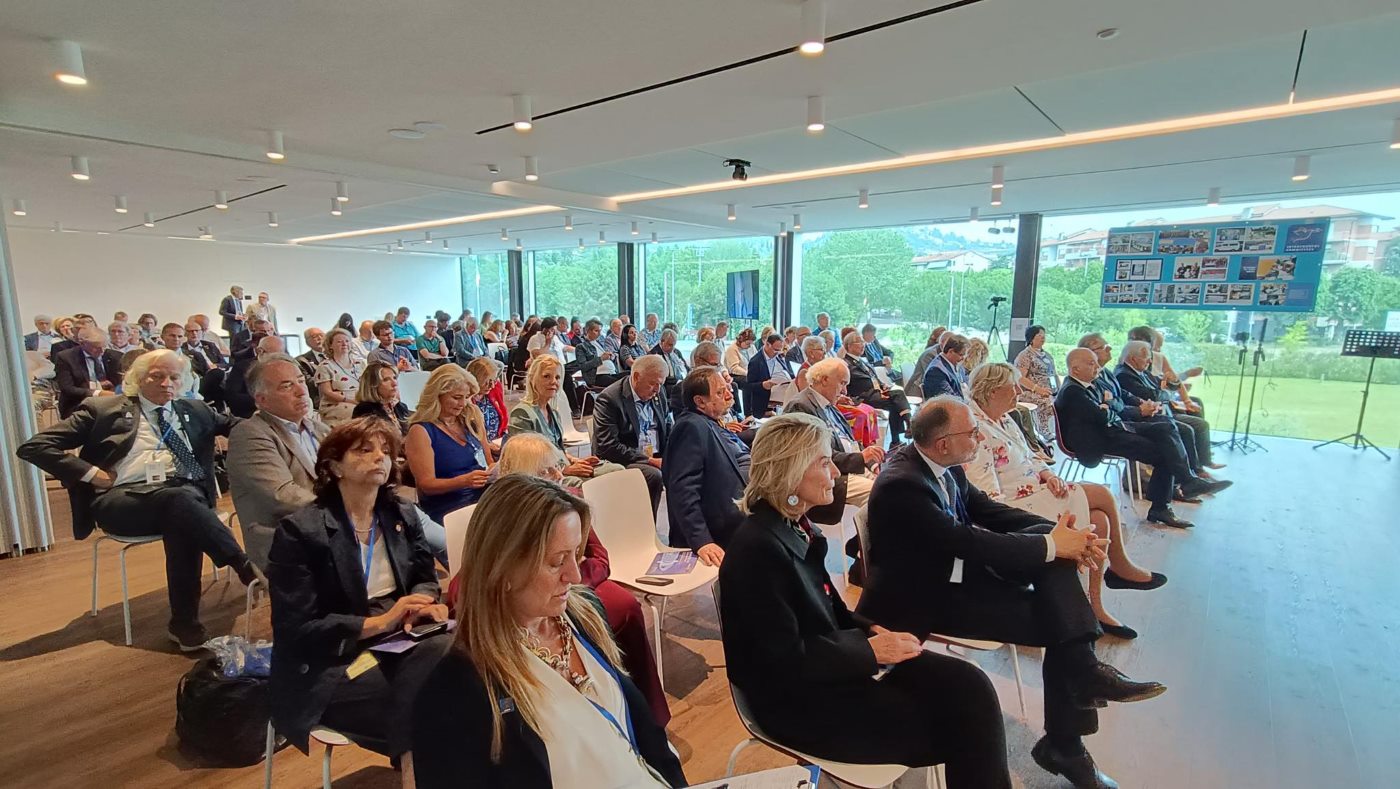
Bergamo, Como, Lecco, Milan – 28/31 May 2026 Final Report
From 28 to 31 May 2026, the International Rotary ICC Forum took place in Italy, between Bergamo, Como, Lecco and Milan. Promoted within the framework of Rotary’s Intercountry Committees, the Forum culminated on Saturday, 30 May, in the ICC World Peace Forum.
The meeting brought together Rotarians from many countries, confirming the deepest vocation of the ICCs: to be places of dialogue, instruments of international friendship, discreet yet remarkably solid bridges between cultures, communities and peoples. At a time when the word “peace” often risks being consumed by rhetoric or weakened by a growing familiarity with war, the Bergamo Forum had the merit of restoring to it density, responsibility and concreteness. The event represented a moment of particular significance in the life of the ICCs: the conclusion of the mandate of Nathalie Huyghebaert, ICC EC President for the 2024-2026 biennium; the passing of the baton to Annemarie Mostert, ICC EC President for the 2026-2028 biennium; the election of the Chair for the 2028-2030 biennium; and a programme combining the General Assembly, the ICC World Peace Forum, cultural visits and moments of fellowship.
Welcoming participants to Bergamo
The Forum opened on Thursday, 28 May, in Bergamo, at Life Source, the venue for the meetings and the place where participants were welcomed. Registration and the welcome dinner represented the first concrete gesture of the gathering: not merely an organizational formality, but the beginning of a temporary community, brought together from different countries around the same idea of service.
Fin dalla prima sera è emerso il vero spirito degli ICC: la capacità di trasformare la distanza in vicinanza, la differenza in ricchezza e la reciproca conoscenza in premessa di cooperazione. Ogni grande progetto di pace inizia così: non con solenni formule, ma con la pazienza dell'incontro, con la fiducia faticosamente costruita e con la disponibilità all'ascolto prima di ogni parola.
L'Assemblea Generale e la continuità della leadership della CPI
Friday, 29 May, was devoted to the General Assembly of the ICC Executive Council, a central moment in the institutional life of the Intercountry Committees. Within this framework, a significant step was taken in the continuity of the international leadership of the ICCs.
Nathalie Huyghebaert, Presidente dell'ICC Executive Council 2024-2026, ha concluso il suo mandato, lasciando il segno di una presidenza vissuta all'insegna dell'amicizia rotariana, della partecipazione e della responsabilità internazionale. La sua leadership ha potentemente ricordato il significato dell'ICC come rete viva e non burocratica, capace di unire le persone prima delle strutture e le comunità prima degli acronimi.
The handover to ICC EC President Annemarie Mostert, for the 2026-2028 biennium, was one of the most important moments of the entire Forum. The new phase opening under her leadership stands in
a line of continuity and renewal: continuity in the founding values of the ICCs; renewal in the need to respond to an increasingly fragmented world, in which international dialogue requires clarity, courage and vision.
Particularly significant was the election of Alessandro Pastorini as ICC EC President for the 2028-2030 biennium. Already National ICC Chair for Italy, Malta and San Marino, Pastorini has in recent years been a point of reference for the development and consolidation of the ICC network. His election took on a value that goes beyond the personal dimension: it is the recognition of patient work, of credibility built over time, and of an ability to weave international relations in the finest Rotary spirit. The day then opened itself to the beauty of the territory, with the visit to Como and the dinner at Castello di Casiglio. These moments, too, had a fully Rotarian significance: not mere pauses in the institutional programme, but opportunities to strengthen relationships, deepen mutual knowledge, transform formal dialogue into friendship and friendship into future cooperation.
Il Forum Mondiale per la Pace ICC: la pace come responsabilità condivisa
Il cuore dell'International Rotary ICC Forum è stato l'ICC World Peace Forum tenutosi sabato 30 maggio, dedicato al tema della pace. La giornata ha riunito Rotariani e ospiti internazionali attorno a un tema che appartiene alle radici stesse dell'esperienza Rotariana: la costruzione della pace attraverso la comprensione, l'ascolto, la mediazione, la cultura e la cooperazione tra i popoli.
The morning opened with the simple solemnity of symbols: the bell, the anthems and the presentation of the flags. It was a beginning of strong evocative value: flags, languages and national identities not as reasons for separation, but as signs of a plurality called to recognize itself within a common horizon.
Richard Knowlton ha guidato con equilibrio e autorevolezza i vari momenti della mattinata, dando continuità a un programma particolarmente ricco in cui si sono intrecciate voci rotariane, istituzionali, filosofiche, giornalistiche, spirituali e diplomatiche.
I saluti iniziali hanno dato un'ampia cornice alla giornata. Stefano Artese, Governatore del Distretto 2042, ha dato il benvenuto ai partecipanti ricordando il valore degli ICC come forma concreta di diplomazia rotariana: non una diplomazia delle cancellerie, ma una diplomazia delle coscienze, dei legami, della fiducia costruita nel tempo. La Sindaca di Bergamo, Elena Carnevali, ha portato i saluti della città ospitante, sottolineando il valore di Bergamo come comunità aperta al dialogo, alla responsabilità civica e alla costruzione quotidiana della convivenza. Il suo intervento ha ricordato che la pace non appartiene solo alle grandi relazioni internazionali, ma prende forma anche nella vita delle città, nella cura dei legami sociali, nell'attenzione alle persone e nella capacità delle istituzioni di promuovere inclusione e fiducia.
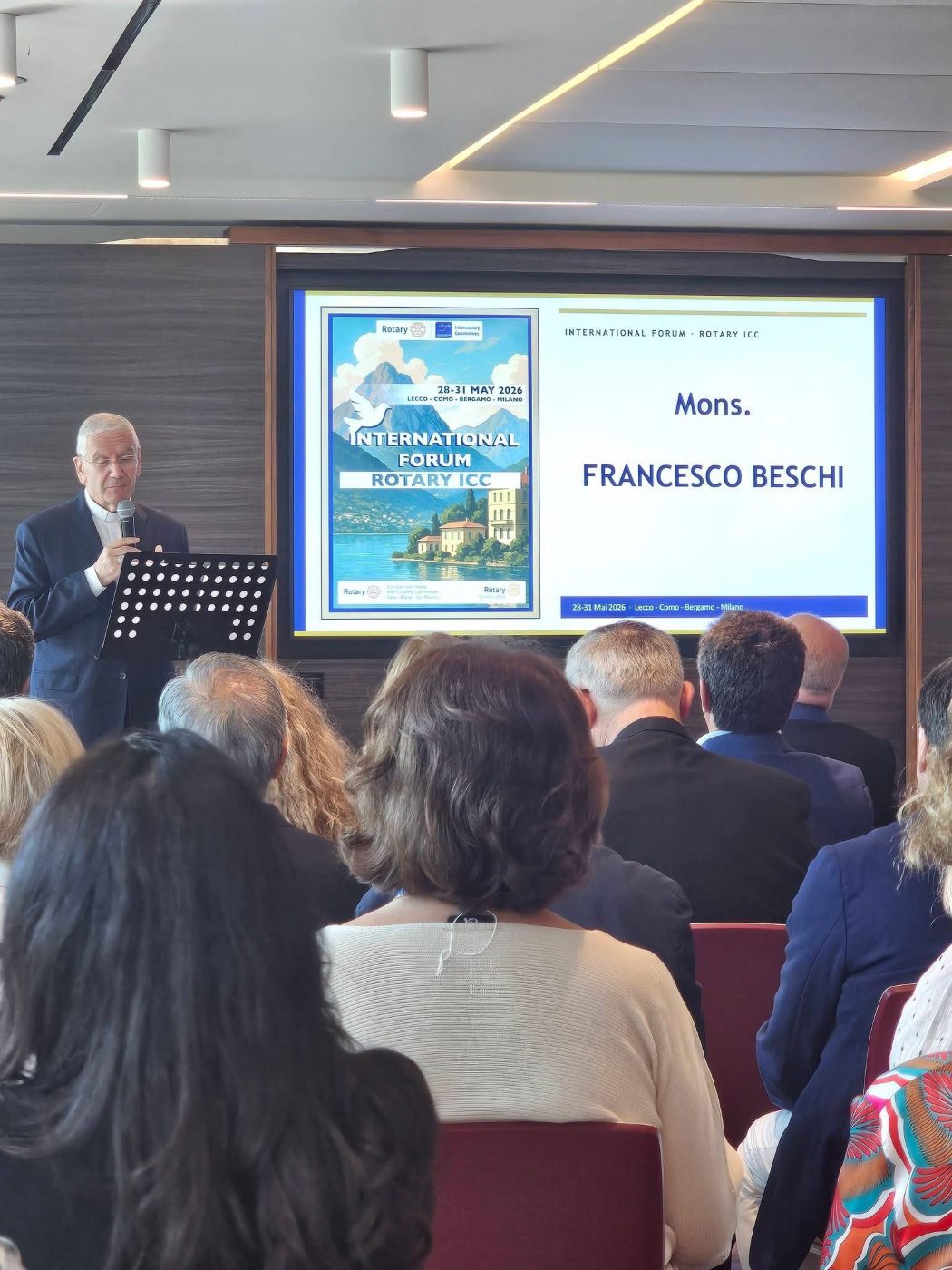
The Bishop of Bergamo, Monsignor Francesco Beschi, offered a reflection of profound spiritual value, recalling peace as a moral task before it is a political one. His words invited those present not to surrender to the logic of conflict and to preserve hope as an active responsibility. From this perspective, peace is born of concrete fraternity, of the ability to listen, to forgive, and to recognize in the other not a threat, but a presence to be welcomed.
The address by ICC EC President-Elect Alessandro Pastorini, National ICC Chair for Italy, Malta and San Marino, brought attention back to the deep nature of the Intercountry Committees: a network capable of uniting clubs, districts and communities beyond national borders. Pastorini interpreted the ICCs as a laboratory of international relations in which friendship is never an end in itself, but becomes a premise for service, cooperation and mutual understanding.
Nathalie Huyghebaert, speaking as ICC EC President for 2024-2026, gave the day the breadth of international continuity. Her reflection recalled the meaning of a mandate brought to completion, but also the strength of a journey that does not end. The ICCs live through the passing of batons, shared responsibilities, and leaderships that are not exhausted in the exercise of an office, but leave traces, orientations and examples.
Tra le prime voci tematiche della mattinata, Monica Napoli, giornalista e corrispondente di Sky TG24, ha portato la prospettiva del giornalismo da luoghi di crisi e di frontiera. Il suo intervento, dedicato al Mediterraneo e ai “confini dell’Europa”, ha ricordato che la pace non può essere intesa unicamente attraverso le categorie della geopolitica. Essa passa attraverso i volti, i corpi, le famiglie, i viaggi, le paure e le speranze di chi abita le soglie più fragili del nostro tempo. Raccontare la guerra, le migrazioni e le fratture del mondo significa impedire che la sofferenza diventi un numero, la tragedia diventi un’abitudine e l’indifferenza diventi una seconda forma di violenza.
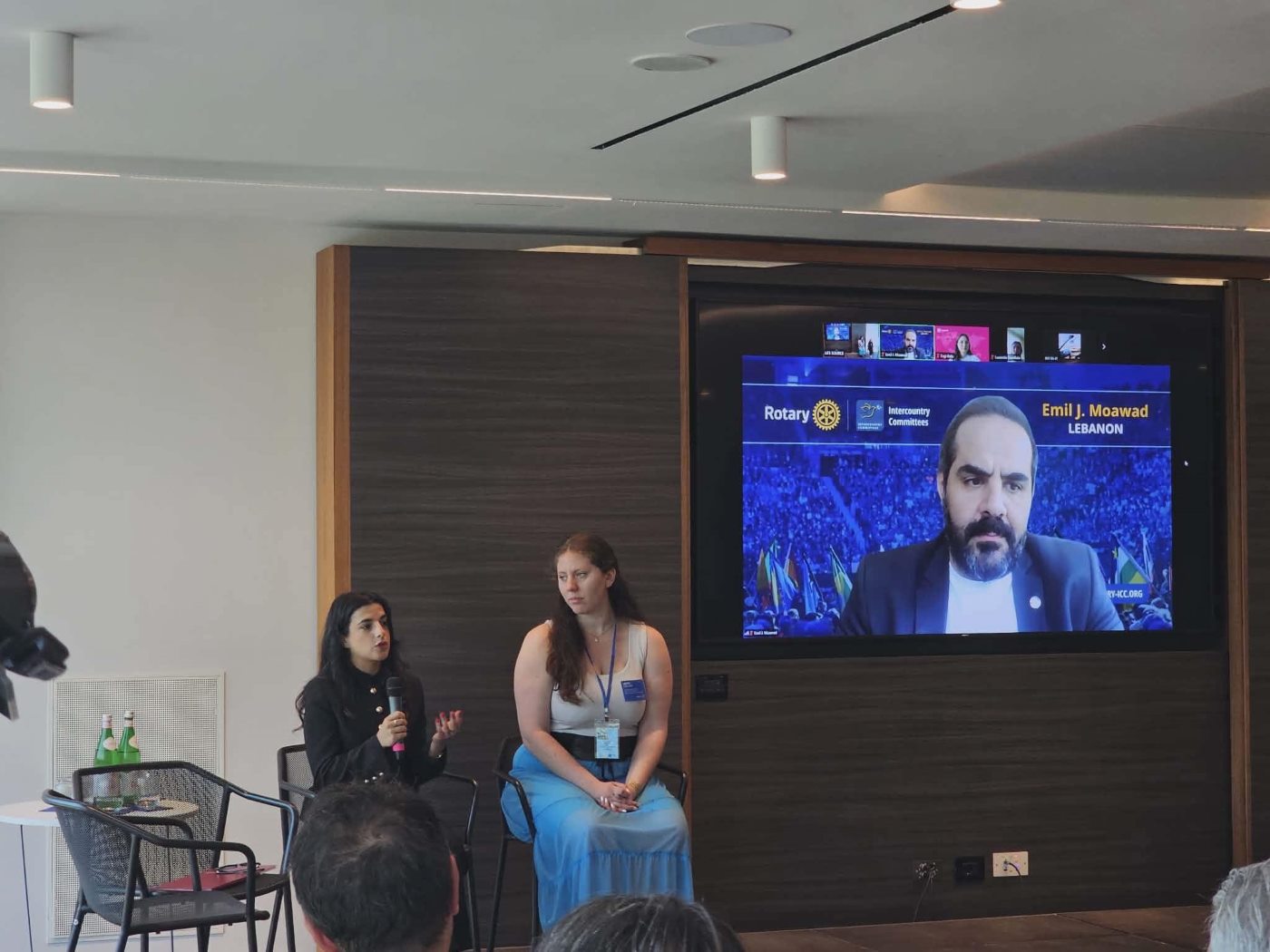
The panel “Rotaract/Rotary/ICCs – Together for Peace”, moderated by Emil Moawad via Zoom, opened a particularly significant intergenerational perspective. With Ezgi Batu, Laura Sasse and Elise Nassim, the Forum gave space to the voice of young leaders, of Rotaract, and of a new call not only to inherit Rotary, but to renew it. Their contribution showed that peace cannot be entrusted solely to the memory of those who have already travelled a long road: it needs the energy, freedom and moral intelligence of young people. In this dialogue between Rotary, Rotaract and ICCs, one of the decisive challenges of the future became visible: making peace a language shared across generations.
The lecture by Professor Donatella Di Cesare, entitled “The Responsibility of Peace. A Common Commitment”, was one of the highest cultural moments of the day. The philosopher removed peace from the vagueness of good intentions and restored it to its most demanding dimension: that of responsibility. Peace is not merely the absence of war, nor a simple balance between opposing forces; it is an ethical, political and human commitment. It is the ability not to grow accustomed to violence, not to regard war as an inevitable destiny, and to preserve the word when the world seems to prefer the noise of weapons. Her intervention placed at the centre the duty to recognize the other: because peace begins when the other ceases to be a threat and once again becomes a face, a story, a dignity.
Dopo la pausa ha sviluppato il tema “La mediazione inizia da noi”, il professor Giorgio Del Zanna, della Comunità di Sant’Egidio. La sua riflessione ha portato al Forum l’esperienza di una comunità che da decenni opera nei processi di dialogo, riconciliazione e mediazione internazionale. Il messaggio è stato potente: la mediazione non è solo una tecnica diplomatica, ma un atteggiamento interiore. Inizia dal modo in cui ascoltiamo, dalle parole che scegliamo, dai conflitti quotidiani che decidiamo di non alimentare e dalla volontà di creare spazi dove sembrano esistere solo muri. La pace, prima di diventare un trattato, deve diventare uno stile.
La sessione “Pace in un mondo frammentato. Il ruolo strategico della diplomazia civile e delle reti globali”, introdotta dal Direttore Generale, Michel Davoudian, ha ulteriormente ampliato l’orizzonte della riflessione. Con Mazin Qumsiyeh, Shab Elawar, Elise Nassim Peace Fellow e l’Ambasciatore Daniele Verga, il Forum ha affrontato il tema della diplomazia civile e delle reti globali in un mondo segnato da profonde fratture. La pace, in quest’ottica, non può essere affidata solo agli Stati o alle negoziazioni ufficiali. Ha bisogno di società civili vigili, università, comunità locali, reti associative, organizzazioni internazionali e leader capaci di generare fiducia. Gli ICC si sono dimostrati ancora una volta una preziosa forma di questa diplomazia civile: meno visibile forse di quella istituzionale, ma spesso più capace di preparare il terreno all’incontro.
The concluding part of the morning had strong symbolic value. With the ICC Peace Prize ceremony, conducted by Giuseppe Mosci, ICC Secretary, together with ICC EC President Annemarie Mouchet and ICC President Nathalie Huyghebaert, the Forum recognized the value of people and journeys capable of giving concrete embodiment to the ideals of peace. The prize was not merely a celebratory moment, but a reminder of the responsibility of example: peace needs to be narrated, but also recognized wherever someone practices it with consistency.
Michel Davoudian then led the ICC Special Awards, a further sign of gratitude towards those who have contributed to the growth and vitality of the Intercountry Committees. In an international community such as the ICCs, recognition also has a function that goes beyond ceremony: it preserves memory, makes service visible, and strengthens the sense of belonging.
ICC EC President Nathalie Huyghebaert’s concluding intervention, with the ICC Executive Council Team and the Past Presidents present called to the podium, offered the room an image of shared continuity. In that setting, the leadership called to guide the future of the ICCs was presented, with the recognition of the President-Elect for the 2028-2030 biennium.
Finally, ICC EC President Annemarie Mostert, outlined the objectives of her mandate. Her address turned the gaze towards the future, indicating the need to strengthen the network of Intercountry Committees, promote ever wider participation, value young people, support collaboration among districts, and make the ICCs increasingly effective instruments of concrete peace. Her vision gave the conclusion of the morning the sense of a new beginning.
Le fotografie di gruppo hanno sigillato questo momento: non una mera immagine rituale, ma il volto visibile di una comunità internazionale riunita attorno a una responsabilità condivisa.
Bergamo e la cena di gala a Lecco
Dopo pranzo, il programma è proseguito con la visita di Bergamo. Camminare per Bergamo dopo una mattinata dedicata alla pace ha significato entrare in dialogo con una città stratificata, fatta di mura, pietre, piazze e memorie. Ogni luogo visitato ha ricordato che la storia europea è al contempo bellezza e conflitto, eredità e responsabilità, ferita e rinascita.
La serata, con la cena di gala al ristorante “Griso” di Lecco, ha concluso la giornata centrale del Forum. Anche questo momento ha avuto un valore pienamente ICC: la fellowship come spazio in cui le relazioni si consolidano, le parole diventano amicizia e l'amicizia si trasforma in cooperazione.
In Rotary, fellowship is never an ornament. It is part of its moral grammar. It is the place where people from different countries learn to recognize one another, to trust one another, and
to imagine possible projects together. After a day dedicated to peace, gathering at table meant giving concrete form to what had been thought and said during the Forum.
Milano e la conclusione dell'itinerario
Domenica 31 maggio il programma si è concluso con la visita a Milano, ultima tappa dell’itinerario italiano. Dopo Bergamo, Como e Lecco, Milano ha offerto ai partecipanti l’immagine di una città europea, dinamica e internazionale, in cui storia, arte, economia e innovazione convivono in modo originale.
La visita ha completato un percorso in grado di fare dialogare luoghi differenti e complementari tra loro: Bergamo come sede dell'accoglienza e del Forum, Como quale scenario di bellezza e di dialogo, Lecco come cornice della serata di gala, e Milano come apertura finale verso una dimensione metropolitana e globale.
Valutazione conclusiva
The International Rotary ICC Forum in Bergamo 2026 represented a moment of great significance for the international ICC community. The conclusion of ICC EC President Nathalie Huyghebaert’s mandate, the handover to ICC EC President Annemarie Mostert, the election of Alessandro Pastorini as ICC EC President for the 2028-2030 biennium, the participation of high-profile speakers and the richness of the cultural programme gave the event an institutional and human value of particular intensity.
The Forum showed that the ICCs are not merely bodies linking countries. They are living places of Rotary diplomacy. Places where peace is thought, narrated, discussed and prepared. Places where international friendship becomes method, listening becomes service, and relationship becomes a possibility for the future.
In un mondo frammentato, segnato da paure, confini, conflitti e nuove forme di solitudine, il messaggio giunto da Bergamo è stato chiaro: la pace non nasce dalla ingenuità, ma dalla responsabilità; non nasce dall'assenza di differenze, ma dalla capacità di abitarle; non nasce da solenni dichiarazioni, ma da comunità che scelgono di incontrarsi, conoscersi e agire insieme.
Questa è forse la più alta eredità del Forum: averci ricordato che il Rotary, attraverso le ICC, può essere ancora una scuola di dialogo, un tessuto di fiducia e un laboratorio di umanesimo internazionale.


Rotary Izmir Dokuz Eylül
District 2440, Turkey - Past District Governor
Past Rotary Public Image Coordinator
Turkish Rotary Magazine board member
Active member of the WASH and SRoF fellowships
TRF CADRE


 English
  French
  Spanish
  Italian